Often referred to as “Devbhumi” (Land of the Gods), Uttarakhand is a premier destination that seamlessly blends profound spirituality, high-altitude adventure, and serene natural beauty. The state is geographically divided into two main regions: Garhwal to the west and Kumaon to the east.
Core Tourism Pillars
Hill Stations: Picturesque retreats like Mussoorie (“Queen of the Hills”), Nainital (“City of Lakes”), and Ranikhet offer colonial charm and panoramic Himalayan views.
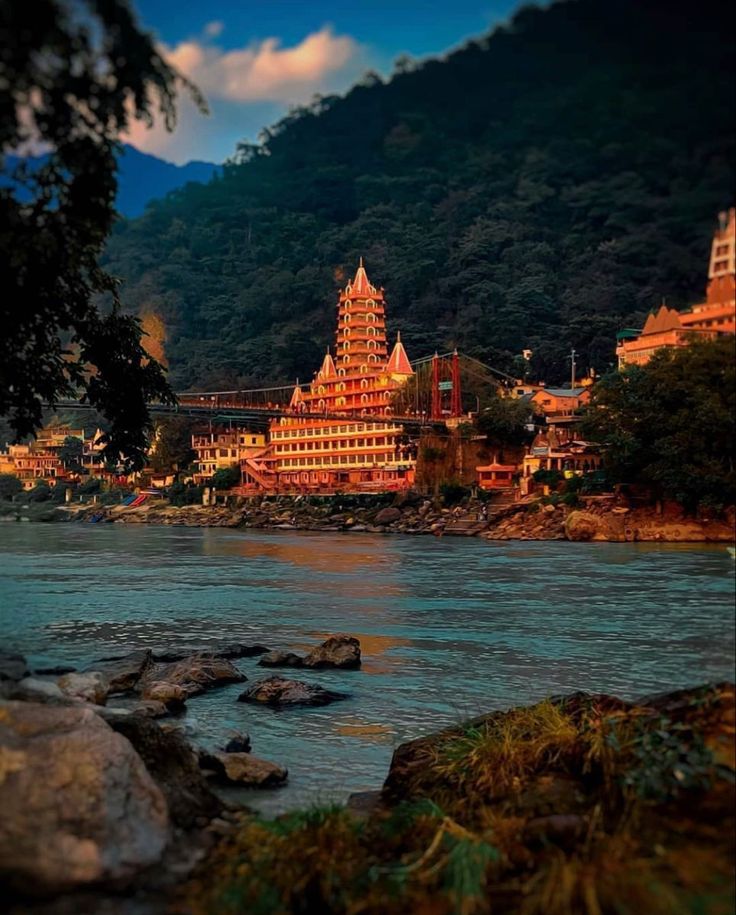
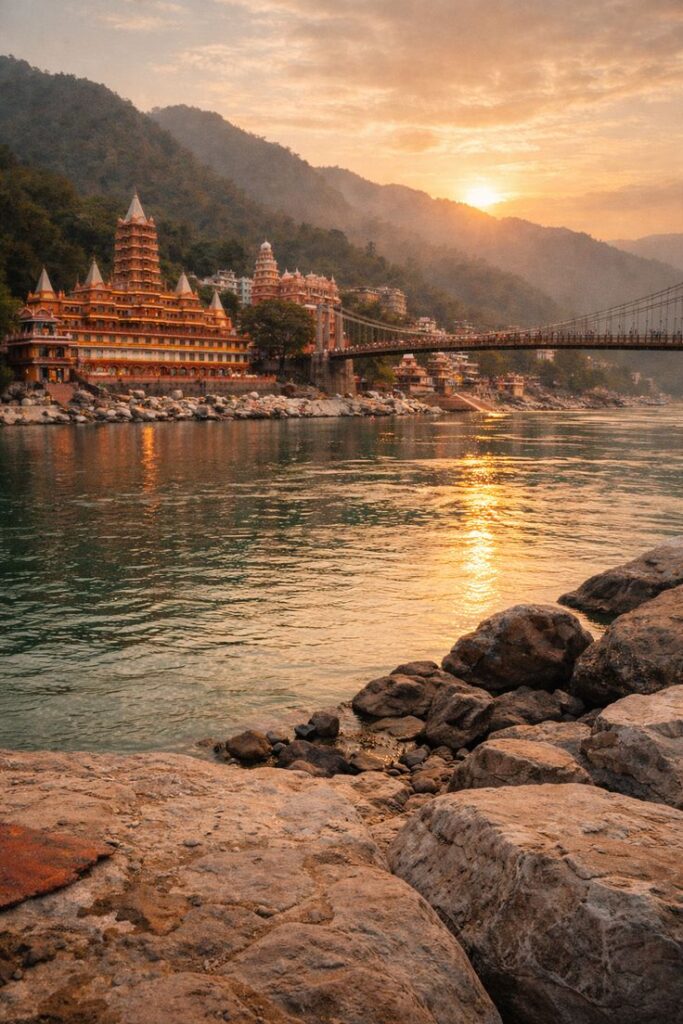
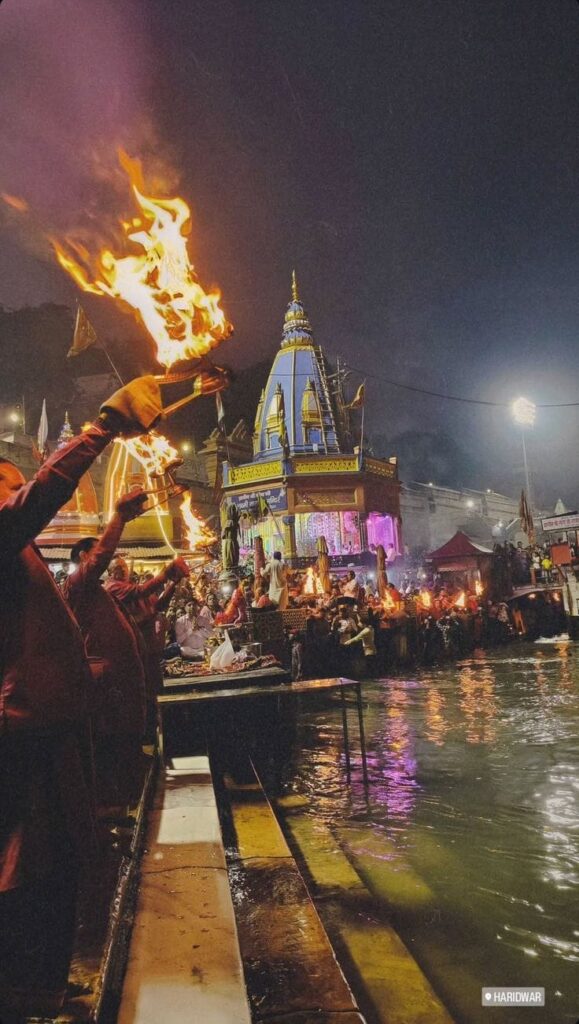
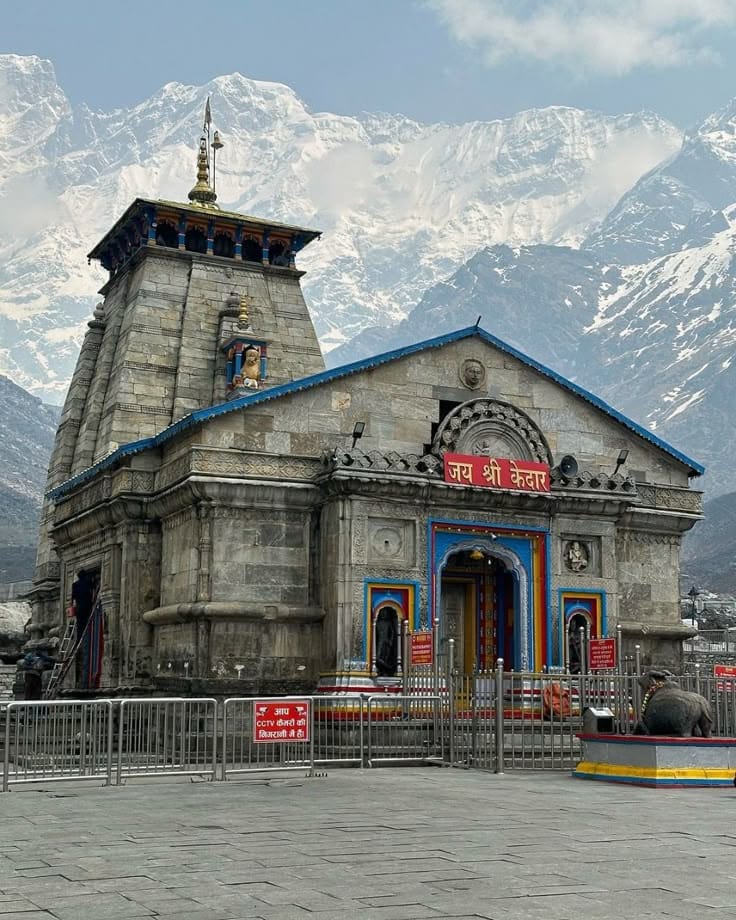
Spiritual Tourism: Uttarakhand is the heart of Hindu pilgrimage. The Char Dham Yatra—comprising Yamunotri, Gangotri, Kedarnath, and Badrinath—is one of India’s most sacred circuits. Cities like Haridwar (famous for the Ganga Aarti) and Rishikesh (the “Yoga Capital of the World”) serve as global spiritual hubs.
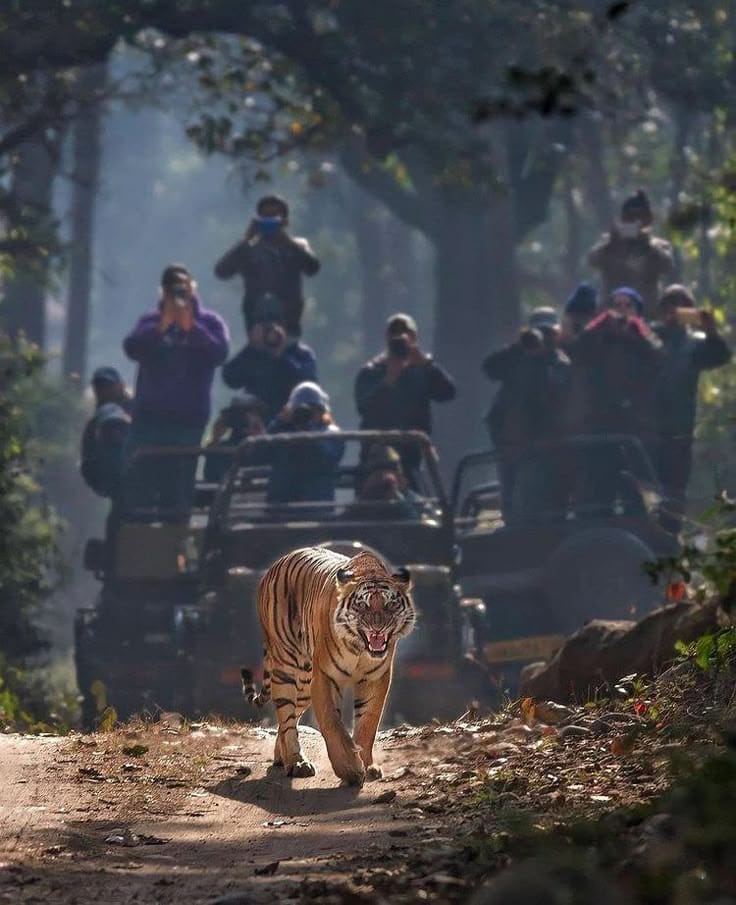
Adventure & Wildlife: For thrill-seekers, the state offers world-class river rafting in Rishikesh, skiing in Auli, and high-altitude trekking to places like the Valley of Flowers (a UNESCO World Heritage site). Wildlife enthusiasts frequent Jim Corbett National Park, India’s oldest national park, and Rajaji National Park.
| Destination | Major Attractions | Best For |
| Rishikesh | Laxman Jhula, Triveni Ghat, Beatles Ashram | Yoga, Rafting, Bungee Jumping |
| Nainital | Naini Lake, Naina Devi Temple, Snow View | Boating, Family Vacations |
| Auli | Ski Resort, Auli Ropeway, Gurson Bugyal | Skiing, Winter Sports |
| Chopta | Tungnath Temple (Highest Shiva Temple), Chandrashila Peak | Trekking, Nature Photography |
| Jim Corbett | Dhikala Zone, Corbett Falls, Jeep Safaris | Wildlife, Tiger Spotting |
Offbeat Gems & Hidden Villages
Beyond the popular hubs like Rishikesh and Mussoorie, Uttarakhand is promoting offbeat destinations to encourage year-round tourism:
- Munsiyari (Pithoragarh): Known as “Little Kashmir,” it offers stunning views of the Panchachuli Peaks and is the base for the Milam Glacier trek.
- Khirsu (Pauri Garhwal): A tranquil paradise offering a 180-degree view of the Himalayas, perfect for those seeking solitude.
- Mana Village: Located near Badrinath, it is the “Last Indian Village” and is steeped in mythological history.
- Chaukori: Famous for its tea gardens and spectacular sunrise/sunset views over the Nanda Devi peak.
Cultural Festivals & Traditions
The state’s culture is deeply tied to the seasons and local deities. Major events include:
- Phool Dei (March): A spring harvest festival where young girls decorate doorsteps with flowers to welcome the new season.
- Kumaoni Holi: A unique, musical version of the festival that features classical ragas and folk songs, lasting nearly two months.
- Harela (July): Marks the onset of the monsoon and focuses on environmental conservation by planting saplings.
- Nanda Devi Raj Jat: A grand pilgrimage that occurs once every 12 years; however, smaller annual Nanda Devi festivals are held in Almora and Nainital every September.
Eco-Tourism & Sustainable Travel
In 2026, there is a significant shift toward low-impact tourism:
- Homestays: The government’s “Uttara Stays” initiative supports local communities by promoting village homestays over large hotels.
- Waste Management: Initiatives like the “Paryavaran Sakhis” (female waste warriors) are active in Dehradun and Rishikesh to manage tourist-generated waste.
- Responsible Trekking: Trekkers are encouraged to follow “Leave No Trace” principles, especially in sensitive areas like the Valley of Flowers and Nanda Devi Biosphere Reserve.