
Kashmir, often referred to as “Paradise on Earth,” offers a diverse range of experiences from serene lake stays to high-altitude adventures. Here are the top things to do in Kashmir for 2026:
🛶 Iconic Water & Garden Experiences
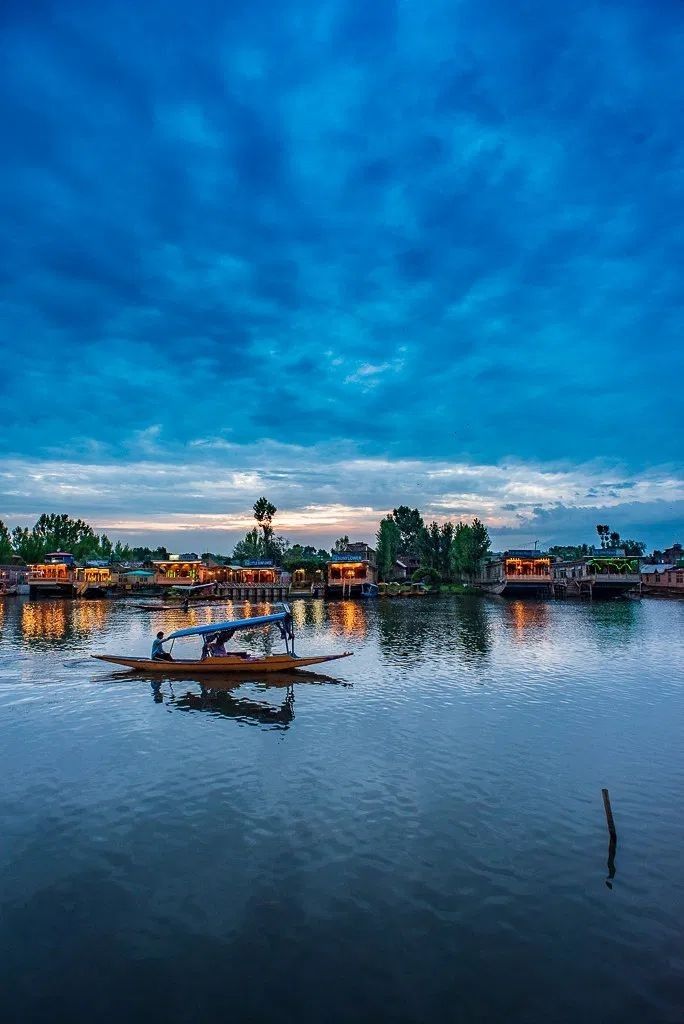
- Shikara Ride on Dal Lake: Glide through floating markets and lotus gardens in a traditional wooden boat. For a quieter experience, try Nigeen Lake.
- Traditional Houseboat Stay: Spend a night on a luxury carved-cedar houseboat to experience authentic Kashmiri hospitality and stunning sunrise views over the water.
- Mughal Gardens: Explore the terraced layouts of Nishat Bagh (The Garden of Bliss) and Shalimar Bagh.
- Indira Gandhi Memorial Tulip Garden: If visiting in April, don’t miss Asia’s largest tulip garden, featuring over 60 varieties of blooms.
⛷️ Adventure & Scenic Valleys
- Gulmarg Gondola Ride: Take one of the world’s highest cable cars up to Apharwat Peak for panoramic Himalayan views.
- Skiing & Snowboarding: Gulmarg is the premier hub for winter sports from December to March.
- River Rafting: Conquer the rapids of the Lidder River in Pahalgam or the Sindh River in Sonamarg (typically April–October).
- Trekking: Popular routes include the trek to Thajiwas Glacier or high-altitude alpine lake treks like Tarsar Marsar (best from June to September).
🌲 Offbeat & Cultural Highlights
- Doodhpathri (Valley of Milk): A relatively unexplored meadow with cattle grazing by the Shaliganga River, perfect for quiet picnics.
- Gurez Valley: A remote frontier valley known for its unique culture and the towering Habba Khatoon Peak.
- Srinagar Old City Heritage Walk: Take a guided tour through winding alleys to see ancient shrines, copper markets, and taste authentic Kahwa tea.
- Yusmarg: Often called the “Meadow of Jesus,” this peaceful area is ideal for long walks through pine forests and primrose carpets.
🍽️ Must-Try Local Flavors
- Wazwan: A multi-course traditional feast featuring dishes like Rogan Josh and Gustaaba.
- Harissa: A slow-cooked mutton delicacy served for breakfast during the colder months.
- Shopping: Look for hand-knotted Pashmina shawls, intricate walnut wood carvings, and saffron from the fields of Pampore.
🏛️ The Sacred Shrine & Legend
The Vaishno Devi Temple, located in the Trikuta Mountains near Katra, is one of India’s most revered pilgrimage sites. 1 In 2026, the shrine continues to attract millions of devotees who undertake the 13 km trek to seek the blessings of the Mata
The temple is unique because there are no idols. Instead, the Goddess is worshipped in the form of three naturally formed rock structures known as Pindis:
- Maha Kali: Represents transformation and the destruction of negativity.
- Maha Lakshmi: Symbolizes spiritual wealth and prosperity.
- Maha Saraswati: Embodies wisdom and pure knowledge.
The Legend: Princess Vaishnavi meditated in these mountains to escape the demon Bhairon Nath. After nine months of meditation in the Ardhkuwari cave, she moved to the main Holy Cave to take her eternal spiritual form.
🚶 The Trek: Key Stops & Routes
The journey begins at Katra, the base camp. You have several route options:
| Route | Distance | Best For |
| Traditional Route | 13 km | Most pilgrims; includes major stops like Banganga & Ardhkuwari. |
| Himkoti Route | 13.5 km | Newer, flatter, and less crowded. Battery cars operate here. |
| Tarakote Marg | 12 km | A cleaner, pedestrian-only path often used for the return journey. |
Major Landmarks on the Trek:
- Banganga: The starting point where devotees often take a holy dip in the mountain stream.
- Charan Paduka: Located at 1.5 km; features the rock-carved footprints of the Goddess.
- Ardhkuwari: The midpoint. Pilgrims often wait for hours to crawl through the narrow Garbh Joon cave.
- Bhairon Temple: Located 2.5 km uphill from the main Bhawan. The yatra is considered incomplete without visiting this shrine. A ropeway is available ($₹100$ return) to avoid the steep climb.
📋 Essential Logistics for 2026
- Mandatory Registration: Every pilgrim must obtain a Yatra Parchi (registration slip). It is free and can be booked online via the Official Shrine Board Website or at Katra counters.
- RFID Cards: Upon arrival in Katra, you must collect an RFID Access Card using your registration slip. This card must be worn throughout the trek for safety tracking.
- Helicopter Services: Flights operate from Katra to Sanjichhat ($₹1,800–$₹2,100 per person one-way). Booking opens 60 days in advance and fills up almost instantly.
- Best Time to Visit: * March to June: Pleasant weather (15°C to 30°C) but very crowded.
- September to October: Ideal weather and scenic views.
- Navratri Festivals: Extremely busy with waiting times for darshan often exceeding 15–20 hours.
💡 Travel Tips
- Footwear: Wear sturdy walking shoes; avoid brand-new ones to prevent blisters.
- Clockrooms: Do not carry heavy bags. Free lockers are available at the Bhawan for your belongings.
- Connectivity: Only postpaid mobile connections work in Jammu & Kashmir.
- Eco-Zone: The entire region is a plastic-free zone; avoid carrying non-biodegradable items.