Gujarat, often referred to as the “Jewel of Western India,” is a state where ancient heritage meets modern progress. Boasting the longest coastline in India (1,600 km), it offers a diverse palette of experiences ranging from white salt deserts and Asiatic lion safaris to UNESCO World Heritage sites and spiritual pilgrimages.
Top Destinations & Landmarks
Gujarat’s tourism is divided into several distinct zones, each offering a unique flavor:
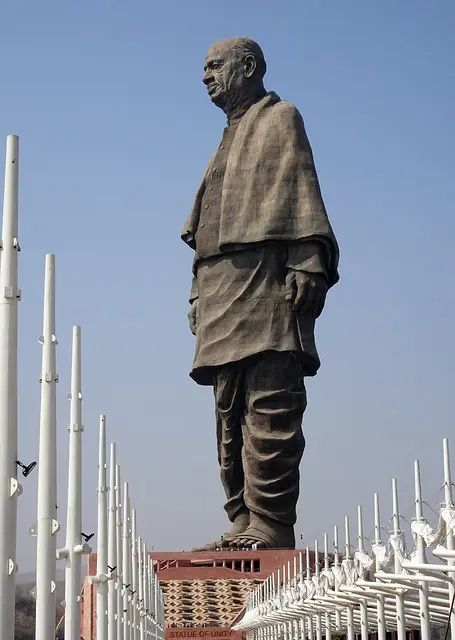
- The Statue of Unity (Kevadia): Standing at 182 meters, it is the world’s tallest statue, dedicated to Sardar Vallabhbhai Patel. The site includes a viewing gallery, a laser show, and a butterfly garden.
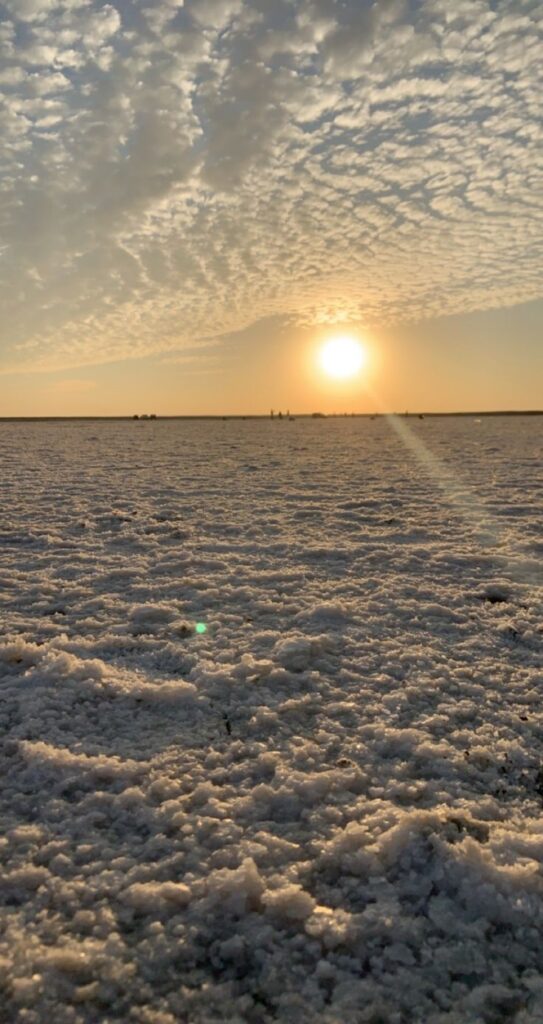
- Rann of Kutch: Famous for the Great Rann, a massive white salt desert. The Rann Utsav (November to February) transforms this arid land into a vibrant cultural hub with luxury tents, folk music, and handicrafts.
- Gir National Park: The only place in the world where you can see Asiatic Lions in their natural habitat. It is a must-visit for wildlife enthusiasts.
- Ahmedabad: India’s first UNESCO World Heritage City. Key spots include the Sabarmati Ashram, the intricate Adalaj Stepwell, and the bustling night food market at Manek Chowk.
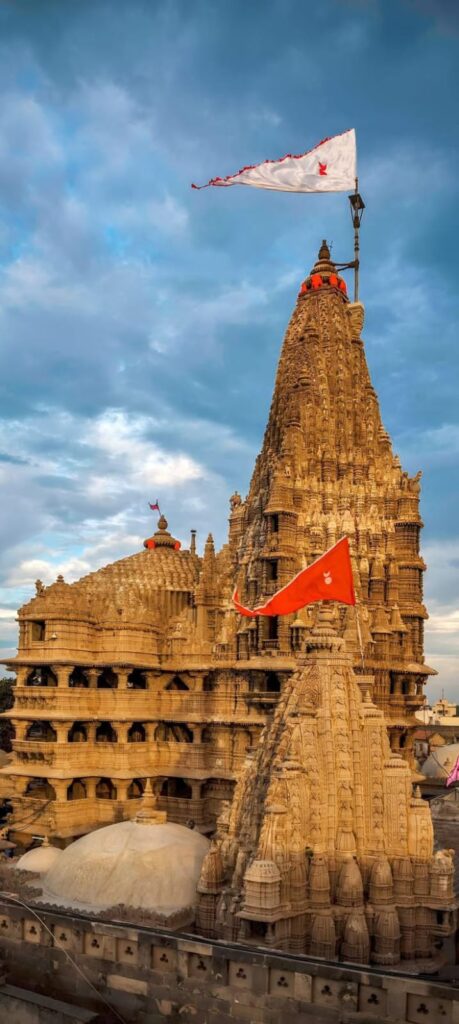
- Dwarka & Somnath: Major spiritual centers. Dwarka is part of the sacred Char Dham pilgrimage, while Somnath is home to the first of the twelve Jyotirlingas.
Cultural Heritage & Festivals
Gujarat is renowned for its “Atithi Devo Bhava” (Guest is God) hospitality and its colorful calendar:
- Navratri: Often called the “World’s Longest Dance Festival,” where the state erupts in Garba and Dandiya Raas for nine nights (usually October).
- International Kite Festival (Uttarayan): Celebrated in January, the skies of Ahmedabad and other cities are filled with millions of vibrant kites.
- Handicrafts: The state is a treasure trove for shoppers, famous for Bandhani (tie-dye), Patola silk, and intricate Kutchi embroidery.
Culinary Tourism
Gujarati food is predominantly vegetarian and uniquely balances sweet, salty, and spicy flavors.
- Street Food Crawls: In Ahmedabad, head to Manek Chowk at night for Gwalior Dosa and Chocolate Sandwiches. In Surat, try the famous Locho and Ponk (tender green jowar).
- Food Festivals: If visiting in early 2026, look out for the 5th edition of the Biggest Gujarati Food Festival, which showcases over 100 authentic dishes and live cultural performances.
- Khaugallis: Most cities have a dedicated “Food Street” (Khaugalli) that comes alive after sunset, offering everything from Sev Khamani to Ghee Jalebi.
Hidden Gems & Offbeat Escapes
If you have already seen the main sights, consider these quieter, deeply rewarding spots:
- Polo Forest (Vijaynagar): Tucked away near the Rajasthan border, this lush forest is dotted with ancient 15th-century Jain and Hindu temple ruins. It’s a perfect escape for trekking and birdwatching.
- Dholavira (Khadir Bet): A UNESCO World Heritage site and one of the largest Harappan (Indus Valley) settlements. It features an incredible ancient water management system that still leaves modern engineers in awe.
- Little Rann of Kutch: Unlike the white salt desert of the Great Rann, this is a vast, cracked earth landscape and the only home of the Indian Wild Ass.
- Saputara: Gujarat’s only hill station, located in the Sahyadri range. It offers a cool retreat with waterfalls, tribal culture, and the nearby Purna Wildlife Sanctuary.
The World of Textiles & Crafts
Gujarat is a global hub for textiles, often called the “Manchester of the East.”
- Patola of Patan: These double-ikat silk sarees are so complex they can take six months to a year to weave. They are traditionally reversible and never fade.
- Rogan Art (Nirona): A rare form of painting on fabric using castor oil-based colors. Only one family in the village of Nirona continues this centuries-old tradition today.
- Ajrakh Block Printing: Centered in the village of Ajrakhpur, this involves a 16-step process of dyeing and printing using natural minerals and vegetable dyes.
- Modern Industry: The state continues to lead India’s textile sector, with major investments in 2026 aimed at MSMEs and sustainable design through institutions like NIFT Gandhinagar.