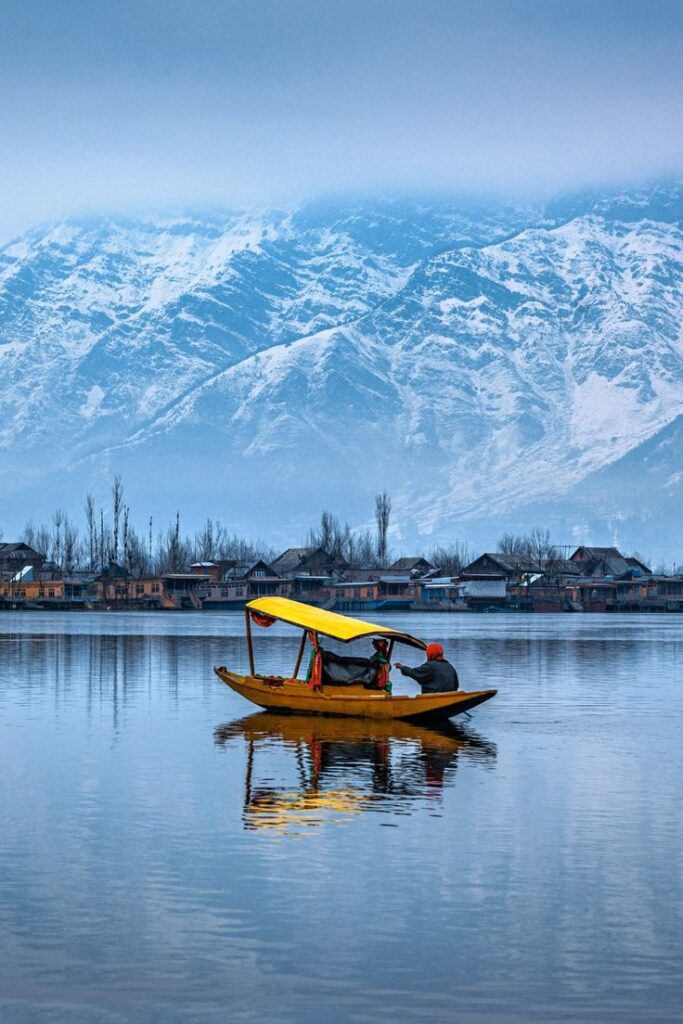
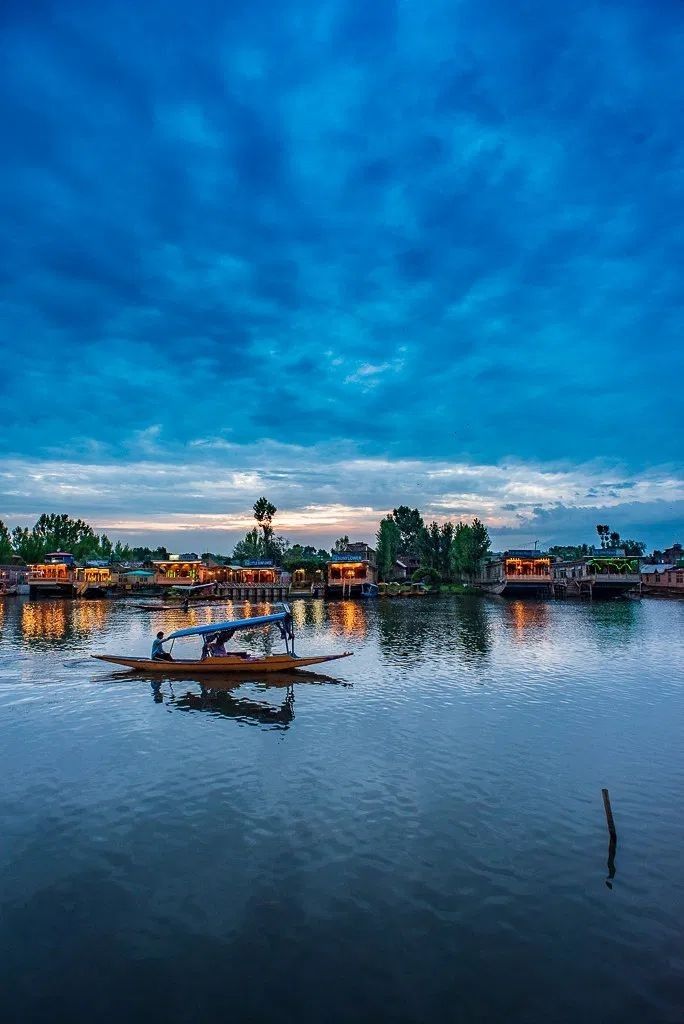
Jammu and Kashmir, often hailed as “Paradise on Earth,” is a premier travel destination in 2026, offering a diverse blend of alpine landscapes, spiritual landmarks, and unique cultural experiences. The region is broadly divided into two main tourism zones: the scenic Kashmir Valley and the pilgrimage-centric Jammu region.
Key Tourism Regions
- Kashmir Valley: Known for its “Golden Triangle” of Srinagar, Gulmarg, and Pahalgam. It is famous for its shimmering lakes, Mughal-era gardens, and vast alpine meadows.
- Jammu Region: Primarily a spiritual hub, home to the world-renowned Mata Vaishno Devi Shrine. It also features quiet hill stations like Patnitop.
Top Destinations & Highlights
| Destination | Must-Visit Attractions | Best For |
| Srinagar | Dal Lake, Tulip Garden, Mughal Gardens | Houseboat stays, Shikara rides, Floriculture |
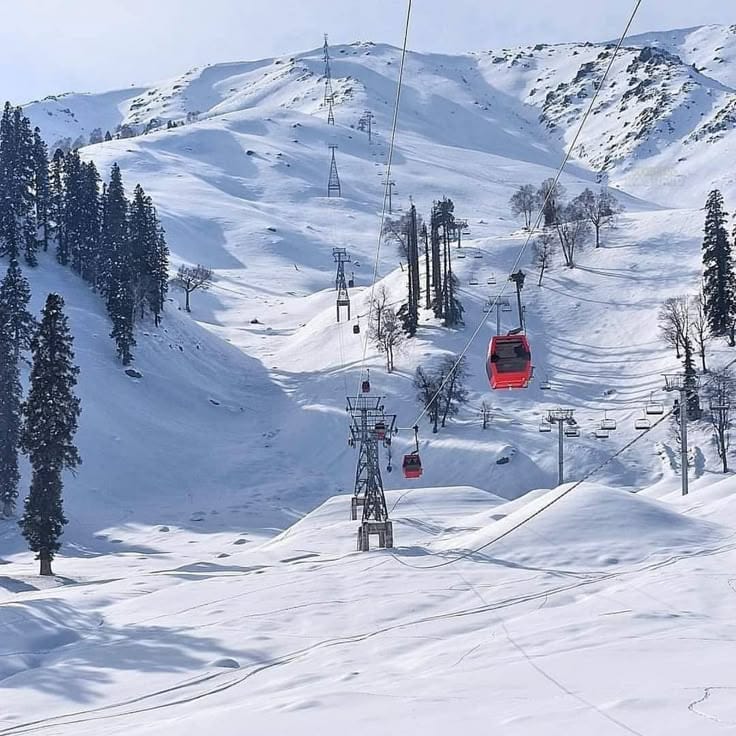
| Gulmarg | Gulmarg Gondola, Apharwat Peak, Golf Course | Skiing, Snowboarding, Cable car rides |
| Pahalgam | Betaab Valley, Aru Valley, Lidder River | River rafting, Trekking, Family picnics |
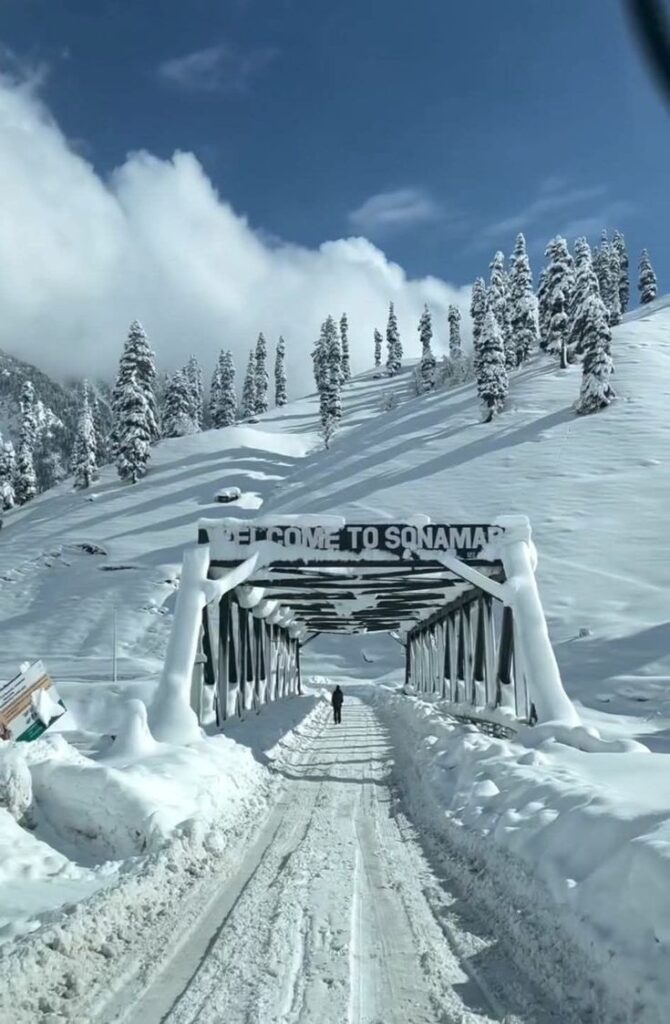
| Sonamarg | Thajiwas Glacier, Zero Point, Sind River | High-altitude adventure, Glaciers |
| Katra | Vaishno Devi Temple, Shiv Khori | Pilgrimage, Spiritual solace |
Emerging & Offbeat Destinations
To manage the rush in “Golden Triangle” hubs like Gulmarg, travelers are now heading to these hidden gems:
- Gurez Valley: Known as the “Frontier,” it offers off-grid luxury in wooden log huts under the Habba Khatoon peak. It typically opens for tourists in May.
- Doodhpathri (Valley of Milk): Famous for its frothy white streams and lush meadows, it is a preferred spot for those seeking “aesthetic” and quiet landscapes.
- Bhaderwah (Mini Kashmir): Located in the Jammu region, it is gaining popularity for its dense deodar forests and is an emerging favorite for honeymooners.
- Lolab & Bangus Valleys: Located in North Kashmir, these offer untouched natural beauty and opportunities for village walks and photography.
Infrastructure & Urban Projects
- Srinagar Ring Road: Expected to be fully functional t significantly reduces travel time by diverting heavy traffic away from city centers.
- Ropeway Expansions: New projects include the Shankaracharya Hill Ropeway in Srinagar and expanded services at Vaishno Devi to assist elderly pilgrims and reduce congestion.
- Jagti Tourism Hub: A major new integrated tourism hub is being developed near Nagrota (Jammu), featuring resorts, entertainment zones, and high-street retail.
The culture of Jammu and Kashmir is a beautiful, multi-layered tapestry woven from Buddhist, Hindu, and Islamic influences.he region continues to celebrate this diversity through its unique language, world-renowned crafts, and a culinary tradition that is literally “fit for kings.”
Culinary Heritage: Wazwan & Dogra Delights
The food here is divided into two distinct but equally famous styles:
- Kashmiri Wazwan: A royal multi-course meal (usually 36 dishes) that is the pride of Kashmiri culture. Key highlights include:
- Gushtaba: Velvety minced mutton balls in a white yogurt gravy.
- Rogan Josh: An iconic lamb curry rich in red color and aromatic spices.
- Tabak Maaz: Ribs of lamb, simmered with spices and then fried in ghee.
- Beverages: Noon Chai (pink salted tea) and Kahwa (saffron-infused green tea with almonds) are daily staples.
- Dogra Cuisine (Jammu): Known for its “comfort food” appeal and distinct spice palette.
- Rajma Chawal: Often considered the soul food of Jammu, specifically the variety from Bhadarwah.
- Kalari Kulcha: A popular street snack featuring Kalari (traditional dense cheese) served in a fluffy bun.
- Ambal: A signature sweet-and-sour pumpkin curry served at weddings.
Traditional Attire & Symbols
The harsh Himalayan winters have dictated a culture of “warmth carried with grace.”
- The Pheran: The most recognizable garment, a long, loose woollen robe worn by both men and women. In 2026, the Pheran has become a global fashion statement, often featuring intricate Tille (metal thread) or Sozni embroidery.
- The Kangri: A small, wicker-covered earthen pot filled with hot embers, carried under the Pheran to keep warm—a quintessential symbol of Kashmiri winter life.
- Headgear: Hindu women traditionally wear the Taranga (scarf), while Muslim women may wear the Kasaba (red turban-like headgear) or an Abaya.
. Arts, Crafts, and Music
The state’s artisans are world-class, often passing their skills through generations.
- Pashmina & Kani Shawls: Hand-spun from the soft undercoat of mountain goats, these are so fine they can famously pass through a ring.
- Papier-Mâché: Intricate floral designs painted onto molded paper pulp, used for everything from jewelry boxes to Christmas ornaments.
- Walnut Wood Carving: Locally abundant walnut wood is used to create Khatam Band (geometric wood-panelled ceilings) and exquisite furniture.
- Music & Dance: The Rouf is a rhythmic folk dance performed by women, while Sufiana Kalam and Chakri provide the classical and folk soundtrack to the valley’s life.