
Rajasthan is often called the “Land of Kings,” a title that comes to life through its massive sandstone forts, shimmering lakes, and the golden dunes of the Thar Desert. Whether you are looking for royal history, spiritual retreats, or wildlife adventures, the state offers a “living museum” experience where ancient traditions meet modern hospitality.
Key Destinations to Explore
The most iconic cities in Rajasthan are often referred to by their signature colors:
- Jaipur (The Pink City): The capital and a UNESCO World Heritage site. Must-sees include the Hawa Mahal (Palace of Winds), the Amber Fort, and the Jantar Mantar observatory.
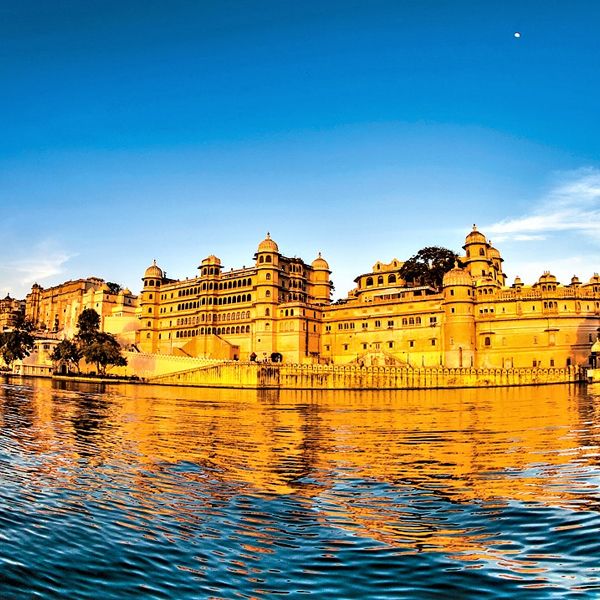
- Udaipur (The City of Lakes): Known as the “Venice of the East,” it is famous for Lake Pichola and the sprawling City Palace complex.
- Jodhpur (The Blue City): Dominated by the Mehrangarh Fort, which overlooks a sea of indigo-painted houses.
- Jaisalmer (The Golden City): Famous for its living fort (people still reside inside) and the Sam Sand Dunes, perfect for camel safaris and desert camping.
Unique Experiences
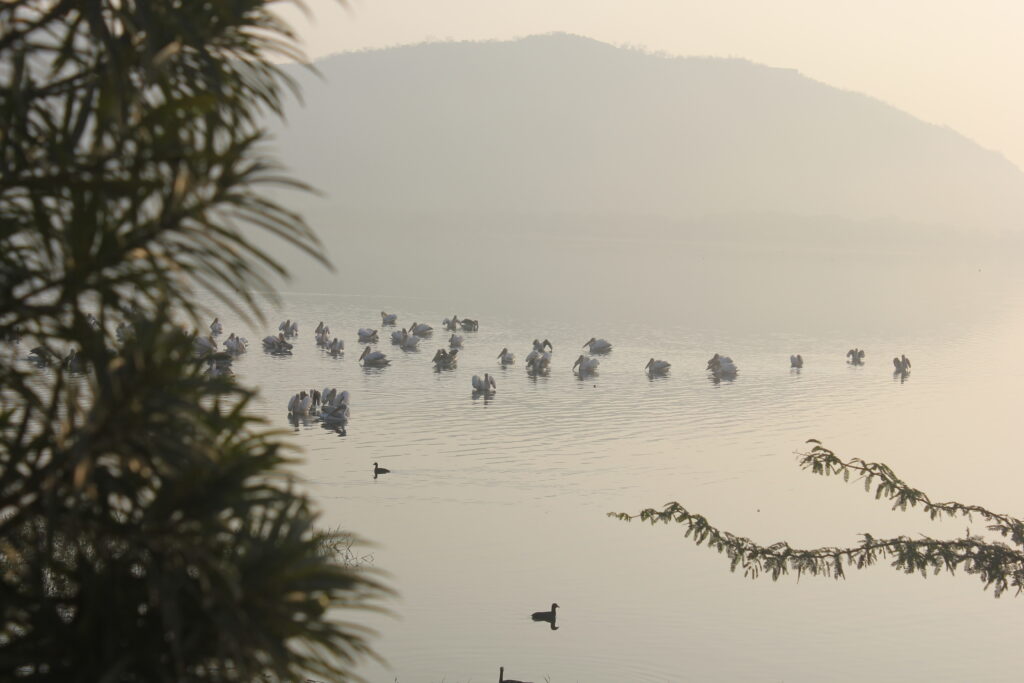
- Wildlife: Ranthambore National Park is one of India’s premier spots for tiger sightings, while Keoladeo National Park in Bharatpur is a world-renowned bird sanctuary.
- Spirituality: Pushkar is home to one of the world’s few temples dedicated to Lord Brahma, and Ajmer Sharif Dargah is a major Sufi pilgrimage site.
- Offbeat Stays: You can stay in Heritage Hotels—converted palaces and havelis—to experience royal life firsthand.
Rajasthani culture is a brilliant mosaic of history, grit, and color, born from the stark contrast of the Thar Desert. It is a culture that celebrates life through exuberant art forms, deeply rooted traditions, and a legendary code of honor.
👗 Traditional Attire
In a landscape of yellow sand, the people of Rajasthan wear the most vibrant colors imaginable.
- Women: Typically wear Ghagra (long skirts) and Choli (blouses) with an Odhni (veil). The fabrics often feature Bandhani (tie-dye), Leheriya (wave patterns), and intricate Gota Patti (gold/silver lace) work.
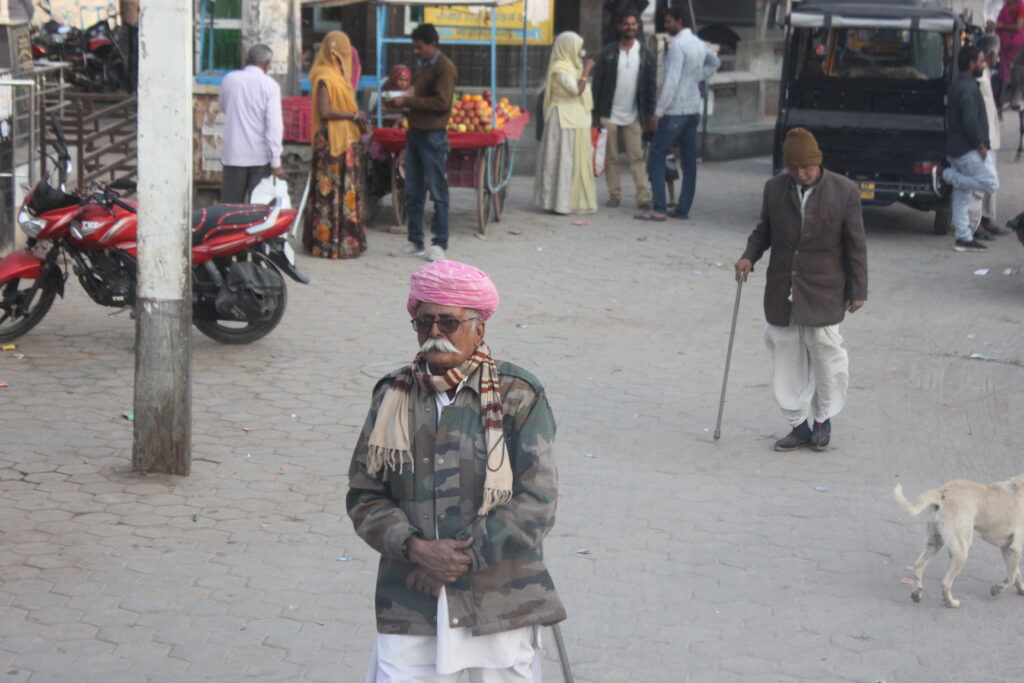
- Men: Known for the Pagri (turban), which varies in style and tying method by region and caste. They also wear Angarkha (waistcoats) and Dhotis.
🎶 Music and Dance
The state’s folk music is hauntingly beautiful, often telling stories of bravery and unrequited love.
- Folk Communities: The Manganiyars and Langas are world-renowned for their soulful music using instruments like the Kamayacha and Kharta.
- Famous Dances: * Ghoomar: A graceful dance where women twirl in large circles.
- Kalbelia: The “Snake Charmer” dance, known for its sensuous movements and black embroidered costumes.
- Bhavai: A difficult balancing act where performers dance with multiple brass pitchers on their heads.
🥘 Culinary Heritage
Because water was historically scarce, Rajasthani cuisine developed using milk, buttermilk, and clarified butter (Ghee) instead of water.
- Dal Baati Churma: The signature dish consisting of lentil curry, hard wheat rolls, and a sweet crumbled wheat mix.
- Ker Sangri: A unique desert vegetable made from dried beans and berries found only in the arid regions.
- Laal Maas: A fiery mutton curry prepared with a heavy dose of Mathania red chilies.

🎨 Arts and Crafts
Rajasthan is a hub for master craftsmen.
- Miniature Paintings: Detailed artworks that often depict courtly life or religious epics.
- Blue Pottery: A unique Turko-Persian art form centered in Jaipur that uses no clay.
- Puppetry (Kathputli): Traditional string puppets used to narrate historical legends and social messages.
🏰 The “Atithi Devo Bhava” Philosophy
The core of Rajasthani culture is its hospitality. The phrase “Padharo Mhare Des” (Welcome to my land) reflects the warmth and respect shown to guests. This is deeply tied to the Rajput history of valor and the merchant community’s tradition of grand “Havelis” (mansions).
Accommodations & stays in Rajasthan
Staying in Rajasthan is not just about finding a bed; it is about choosing the “era” or “vibe” you want to inhabit.the state offers a highly specialized range of stays, from living like a 15th-century king to sleeping under a billion stars in the Thar Desert.
1. The Royal Heritage Experience (Palaces & Forts)
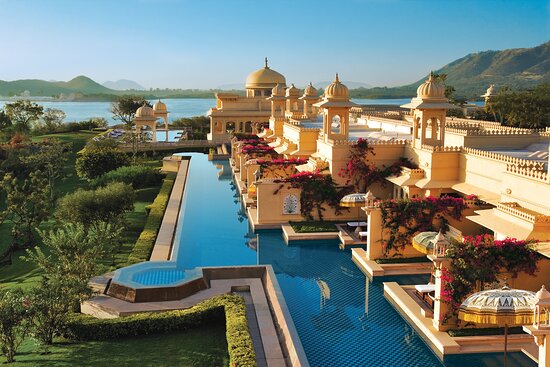
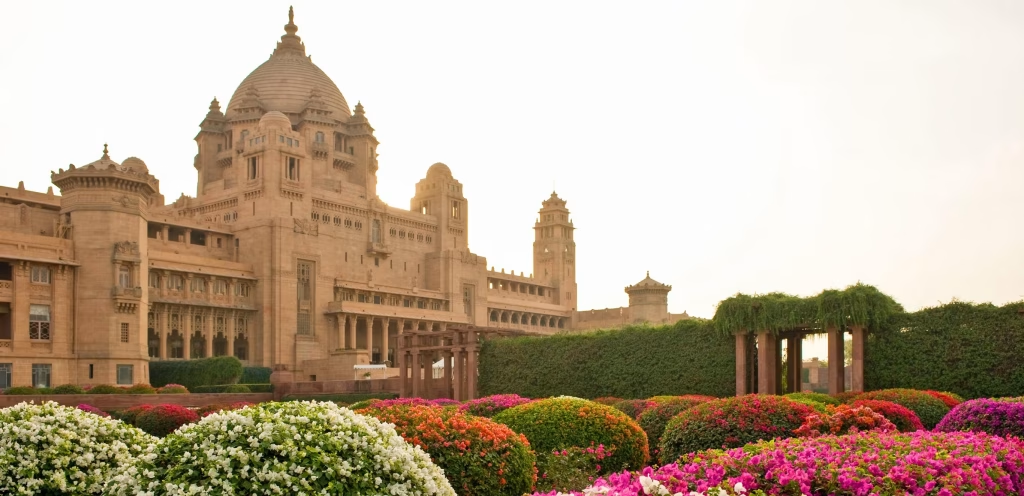
These are often converted residences of former royalty. The experience is defined by grand arrivals, rose-petal showers, and museum-quality interiors.
- The “Jewels”: Rambagh Palace in Jaipur and Umaid Bhawan Palace in Jodhpur are world-class, offering private heritage walks and vintage car tours.
- Unique Settings: Taj Lake Palace in Udaipur provides a “floating” experience on Lake Pichola, accessible only by boat.
- Adventure Forts: Neemrana Fort-Palace (near Alwar) allows you to zip-line over 15th-century battlements, while Tijara Fort-Palace is a favorite for art lovers, with rooms named after famous Indian painters.
2. Desert Glamping (Tents & Dunes)
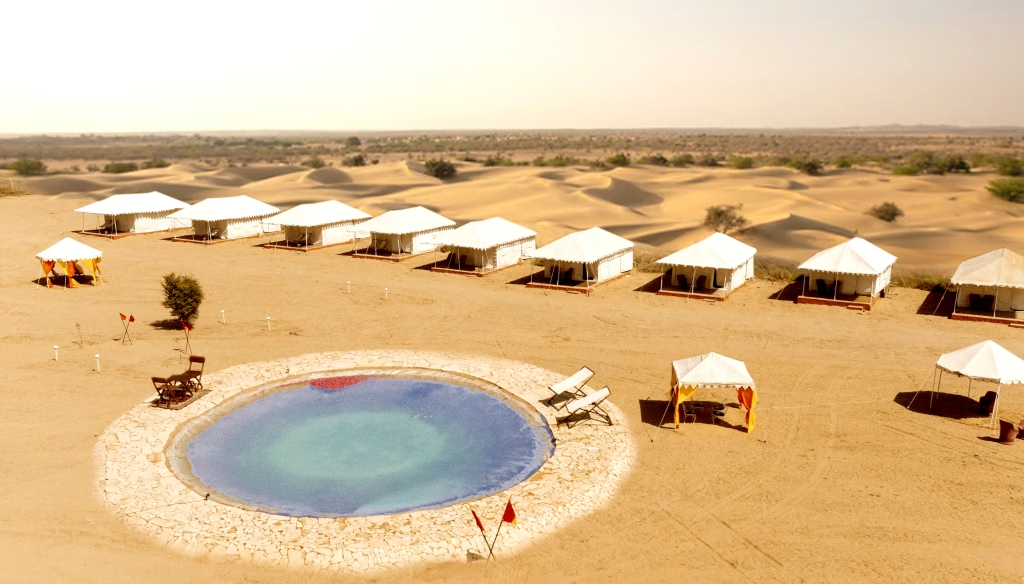
Modern desert stays have evolved into “glamping,” blending nomadic tradition with five-star luxury.
- Luxury Tents: The Serai in Jaisalmer is a 100-acre private estate where suites feature stone platforms and air conditioning.
- Atmosphere: Expect evening bonfires, folk performances like the Kalbelia dance, and stargazing.
- Pro Tip: For a better experience, travelers in 2026 recommend taking a Jeep safari for sunset and saving the camel ride for the quieter sunrise.
3. Rural & Boutique Homestays (Authentic Connection)
If you want to skip the “curated” tourist feel, homestays offer a window into daily Rajasthani life.
- Village Life: Places like Chandelao Garh or Jaipura Garh allow you to interact with local weavers and potters.
- Farmstays: Savista Retreat and The Farm near Jaipur focus on farm-to-table dining and slow living.
- Eco-Stays: Anopura is a luxury eco-resort that uses homegrown food and offers guided village walks to connect with the landscape.